There are no items in your cart
Add More
Add More
| Item Details | Price | ||
|---|---|---|---|

Or rather, let me ask: When do we heal?
Say, you put your hand in the fire and it gets burnt. How do you heal it? Where do we begin?
The very basic first step has to be this: remove your hand from the fire. Withdraw it immediately, for as long as it remains in fire, it can’t start healing. The condition will only keep on getting worse if it remains in the condition or the environment that caused it trauma in the first place. Getting out of it is the fundamental beginning of healing.
Obvious, ain't it? We all know it, we all will do it if we burn our hand or step on a thorn. Our instincts will take over and our core premise of survival will ensure that we get away from the cause of harm as quickly as possible. We are programmed to protect our physical well-being, intuitively.
However, what about protecting ourselves from traumas that are not so sudden or the ones that don’t impact our physical health directly, but cause harm to our mental or emotional health, which eventually cause physical harm? Are we equally conscious about those too? Do we have well-honed survival instincts that protect us against internal or sustained harm?
"Awareness is the first step in healing." - Dean Ornish
In any case, the next step in healing is to tend to the wound, to care for it, actively, consistently and until the healing process is complete. Since at this time, the wound area is sensitive, we have to be extra cautious about possible infections which may arise out of negligence. The medication has to be taken regularly and monitoring is essential to keep a tab on the healing process, and make course corrections if and when needed. Discipline goes a long way in speeding the recovery.
Above all, we have to be patient with the process of healing. Even with the best care and top-notch medical interventions, there are no shortcuts to healing. If it needs time, it takes time. Also, no two patients experience the exact same recovery path. Depending upon the extent of burns and other factors like the individual physical health and quality of care, people may respond differently to the same treatment regimen. People might suggest a “typical” timeframe for recovery, but the individual journey is hardly the same.
The parallel applies to internal trauma and hurt too. No two people ever overcome the trauma in the same way or in the same timeframe, despite what people around us profess. And it is perfectly alright. It is meant to be an independent, distinct journey, with different barriers for each one of us to overcome. There are no shortcuts. It takes time, and is often messy as we might be overly sensitive to issues during the journey. Surrounding ourselves with a positive support network is crucial. These individuals can provide encouragement, monitor our progress, and gently nudge us back on track if we veer off course during the healing journey.
Patience plays another important role in healing. A lot of people get tired or weary of waiting for the wounds to heal. Or, they like to “assess” the progress of healing. And what do they do next? They start poking the wound. They begin prodding the newly formed tender skin or scratch the scab to satiate their curiosity, only making the wound bleed again, thus reversing all the effects of healing. And why? Because they want to test the progress. In the attempt, they have retarded the healing process.
We should respect the process of healing. It is a difficult time for us, be it healing from an external wound or handling an internal trauma. The is no point in prodding, poking or peeling the layers that are being to form.
While we are recovering from an internal trauma, the stakes are even higher because we may have overestimated the extent of our healing, as there are no visible signs. However, it is utterly pointless to aggravate a situation just out of curiosity. The bits and pieces that are just getting into place should not be jolted and jostled merely to see if they keep holding their place. What if they don’t? What would we have gained from our misadventure? More trauma?
The consequences of not allowing ourselves to heal are disastrous. If we imagine that a wound, if not tended, will stay the same forever, it won't. It will only get worse, maybe to a point from which there will be no recovery possible. Even if it is not so far gone, it will take much longer and would be much harder to recover. Hence, healing is not optional. It is an imperative for survival.
So, how do we heal? We heal when we recognise the need to heal. We heal by detaching ourselves from the cause of trauma. We heal when we give ourselves time to heal. We heal when we let ourselves heal without interruptions. And when will we heal? That question has no ready answer. It is an individual journey. Embrace this fact and keep going.
Your soul knows how to heal itself. Let it.
"When I stand before thee at the day's end, thou shalt see my scars and know that I had my wounds and also my healing." - Rabindranath Tagore
Transforming Life!
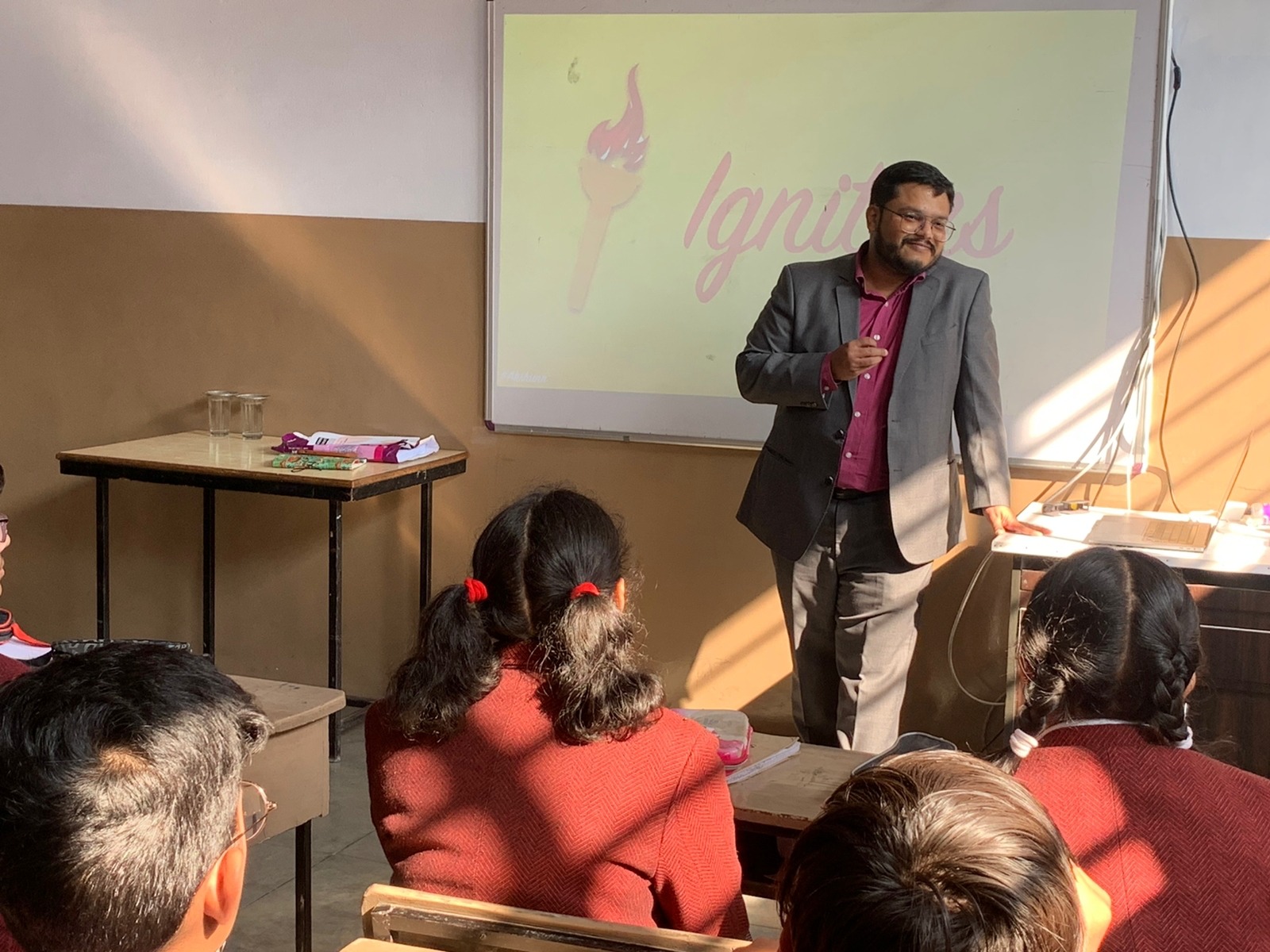
Lakshman Maaheshwary
His constant interaction with youth for over one and a half decades keeps him in sync with the issues that are of paramount interest (and at times, of concern) to them. He believes in living vigorously.
 Launch your Graphy